
Deer Collision Safety Tips for Commercial Drivers
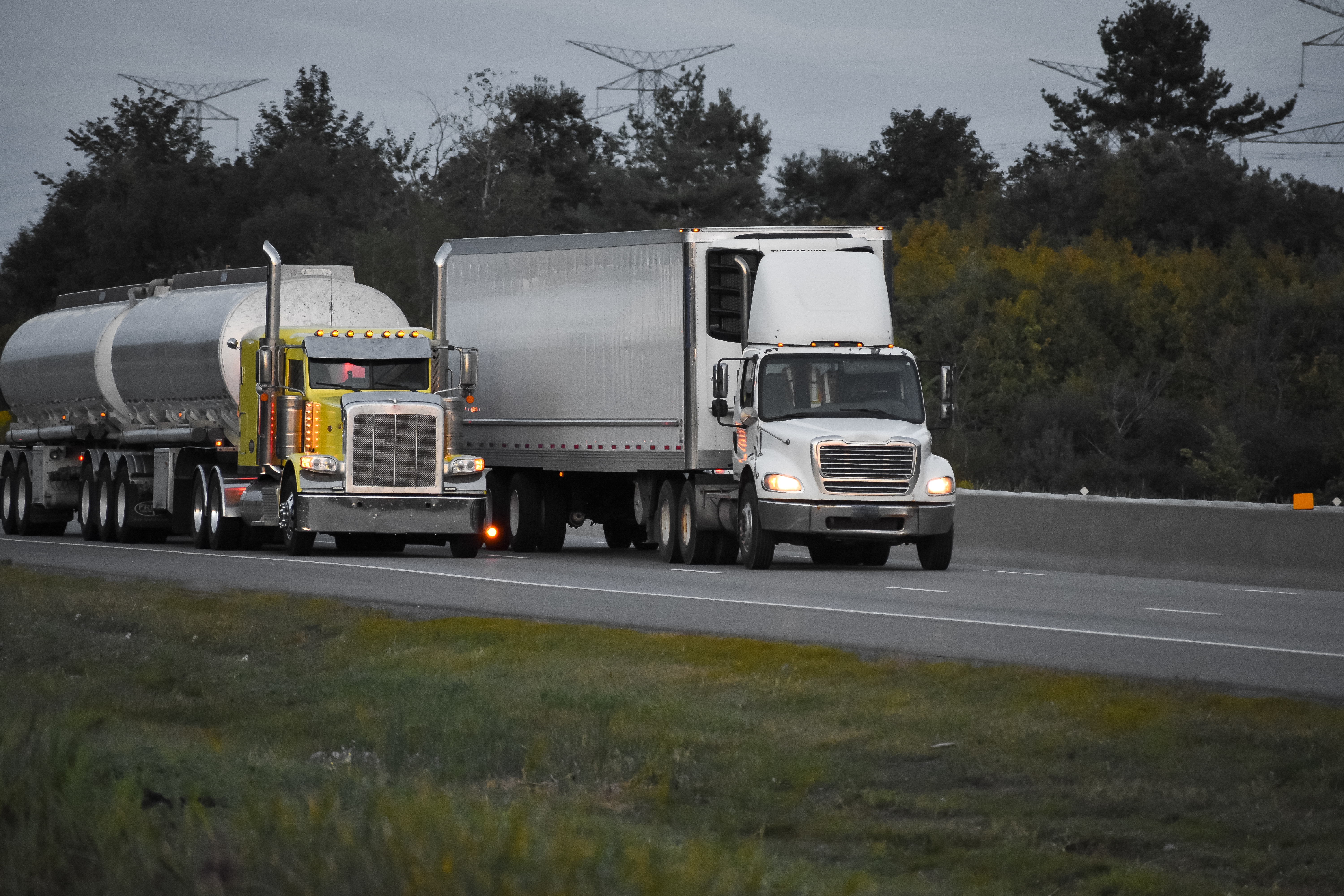
Shorter days and increased deer activity can create added risks for businesses whose employees drive as part of their work. Commercial drivers traveling at dawn, dusk, or after dark should be prepared for deer to enter the roadway with little warning.
For a business, a deer strike can mean more than damage to a vehicle. It can lead to injuries, disrupted schedules, delayed service, missed deliveries, and unexpected downtime. Reviewing safe driving practices with employees can help protect drivers, vehicles, and day-to-day operations during the fall deer season.
Why Fall Brings Greater Deer-Collision Risk
Deer activity typically increases from October through December, making this an important period for commercial drivers to stay watchful. Deer are especially active around sunrise and sunset, when reduced light can make it harder to notice movement near the road.
Extra caution is important on rural routes, near woods and open fields, along fence lines, and in areas marked by deer-crossing signs. Even drivers who know a route well should recognize that changing seasonal conditions can introduce new hazards.
Keep Drivers Focused Beyond the Lane Ahead
Preventing deer collisions begins with active awareness of the full driving environment. Deer may emerge suddenly from ditches, medians, tree lines, roadside brush, or other areas that offer limited visibility.
Employees who make service calls, drive between job sites, or spend extended time in company vehicles should limit distractions and pay close attention during early-morning and evening travel. Scanning both sides of the roadway gives a driver more time to recognize potential danger and respond in a controlled manner.
Slow Down Where Deer May Be Present
Vehicle speed affects the amount of time a driver has to identify a hazard and react safely. Reducing speed in locations where deer are frequently seen can provide valuable extra time to brake and keep the vehicle under control.
Driving at or below the posted speed limit is particularly important in high-risk areas. A few additional seconds can make a meaningful difference when a deer moves unexpectedly into the travel lane.
Look for Additional Deer
Seeing one deer cross the road does not necessarily mean the hazard has passed. Deer often travel together, and another deer may follow the first one within seconds.
Commercial drivers should continue checking both sides of the road after a deer has crossed or disappeared from sight. This is especially important for people operating trucks, vans, trailers, or vehicles carrying passengers, equipment, or inventory, because larger and heavier vehicles may need more distance to stop safely.
Use High Beams When It Is Safe to Do So
Visibility matters even more as daylight becomes limited. When there is no oncoming traffic and road conditions allow, high beams can help drivers see farther ahead and may make it easier to spot deer near the roadway.
Better lighting does not guarantee that a deer will leave the road. A startled deer may stop or freeze rather than move away, so drivers should remain ready to brake while continuing to monitor nearby traffic and road conditions.
Brake Safely Rather Than Swerving
A driver may instinctively want to steer around a deer that suddenly enters the road. However, swerving out of the lane can create a more serious risk than a direct impact with the animal.
A sudden maneuver can lead to a collision with another vehicle, a guardrail, a tree, or an object along the roadside. It can also cause a vehicle to enter a ditch or cross into oncoming traffic. In most circumstances, controlled braking while staying in the proper lane is the safer response because it supports vehicle control.
Know What to Do After a Deer Strike
Even careful drivers cannot avoid every wildlife collision. Businesses should make sure employees understand the steps to take after an incident involving a deer or another animal.
If it is safe to do so, the driver should move the vehicle out of traffic before checking for injuries. Anyone who needs immediate medical care should receive emergency assistance, and local law enforcement should be contacted when appropriate.
Drivers should not approach an injured deer. A wounded animal can react unpredictably and create another safety concern. Employees should take photographs of the damage and record key information about the event while the details are still clear, then follow their company’s reporting process.
Review Commercial Auto Coverage Before Deer Season Peaks
Fall is also a practical time to review commercial auto insurance in Pennsylvania. Damage caused by striking a deer or other animal is often addressed under the comprehensive portion of a commercial auto policy rather than collision coverage. Businesses with liability-only coverage should understand that damage to their own vehicle is generally not covered.
Companies may also want to revisit vehicle schedules, deductibles, driver-reporting procedures, and expectations for handling a claim. Preparing in advance can reduce confusion and help the business respond more smoothly if a wildlife collision occurs.
At Ashmead Insurance Associates, we help businesses throughout Colmar, Lansdale, Montgomery County, Bucks County, and surrounding Pennsylvania communities review commercial auto insurance and broader business insurance needs. As an independent insurance broker, we can provide clear guidance on coverage options, renewal planning, and claims support so your business can be better prepared for seasonal driving risks.
Seasonal safety reminders are a straightforward way to reinforce smart habits behind the wheel and help safeguard employees, business vehicles, and operations. If you would like to review your commercial auto coverage or request a commercial insurance quote, contact Ashmead Insurance Associates for personalized guidance.
